Seven Methods for Machine Tool Positioning Accuracy Detection
1.Laser Interferometer Measurement
Based on laser interference principle, it precisely measures displacement of moving parts such as machine worktables. Featuring high accuracy, it detects linear and angular positioning precision and provides reliable data for accuracy calibration. It is widely applied to comprehensive axis accuracy inspection of large machining centers.
2.Ballbar Measurement
It tests circular motion accuracy during two-axis linkage via a ballbar mounted on the worktable. It rapidly identifies positioning and perpendicularity errors, commonly used for CNC machine accuracy inspection and commissioning. It effectively detects precision defects in circular interpolation of milling machines.
3.Coordinate Measuring Machine Measurement
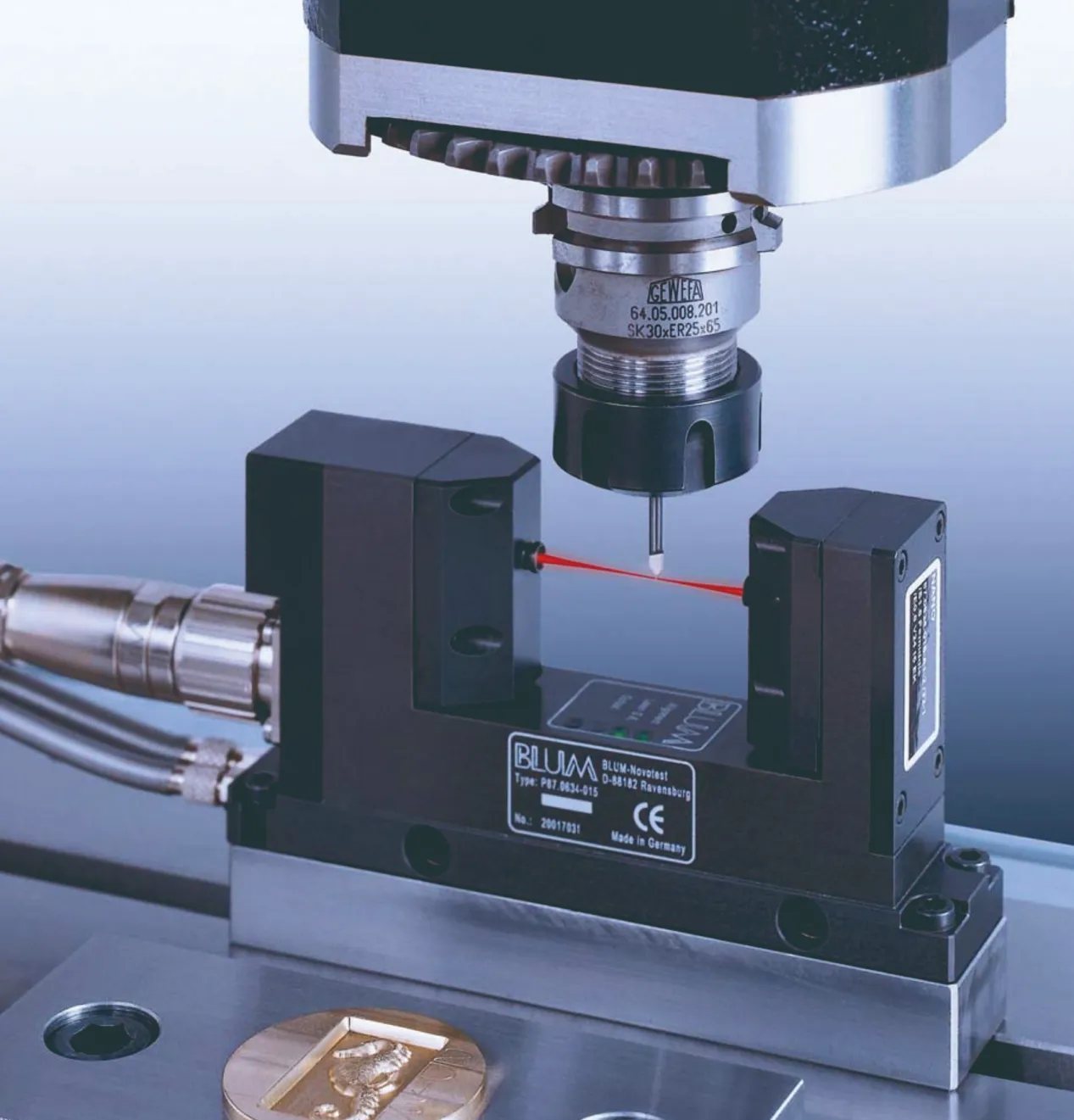
Standard gauges are placed on the worktable. The measured coordinates are compared with theoretical values to obtain positioning accuracy. It delivers superior precision and realizes 3D positioning detection, suitable for accuracy inspection of complex curved surfaces on mold processing machines.
4.Standard Scale Measurement
High-precision scales like grating scales and graduated scales move synchronously with machine components. Displacement readings are compared with command values to calculate positioning accuracy. This method is simple and cost-effective, while its precision is limited by scale and reading device performance. It is frequently used for small-sized machine inspection.
5.Optical Collimator Measurement
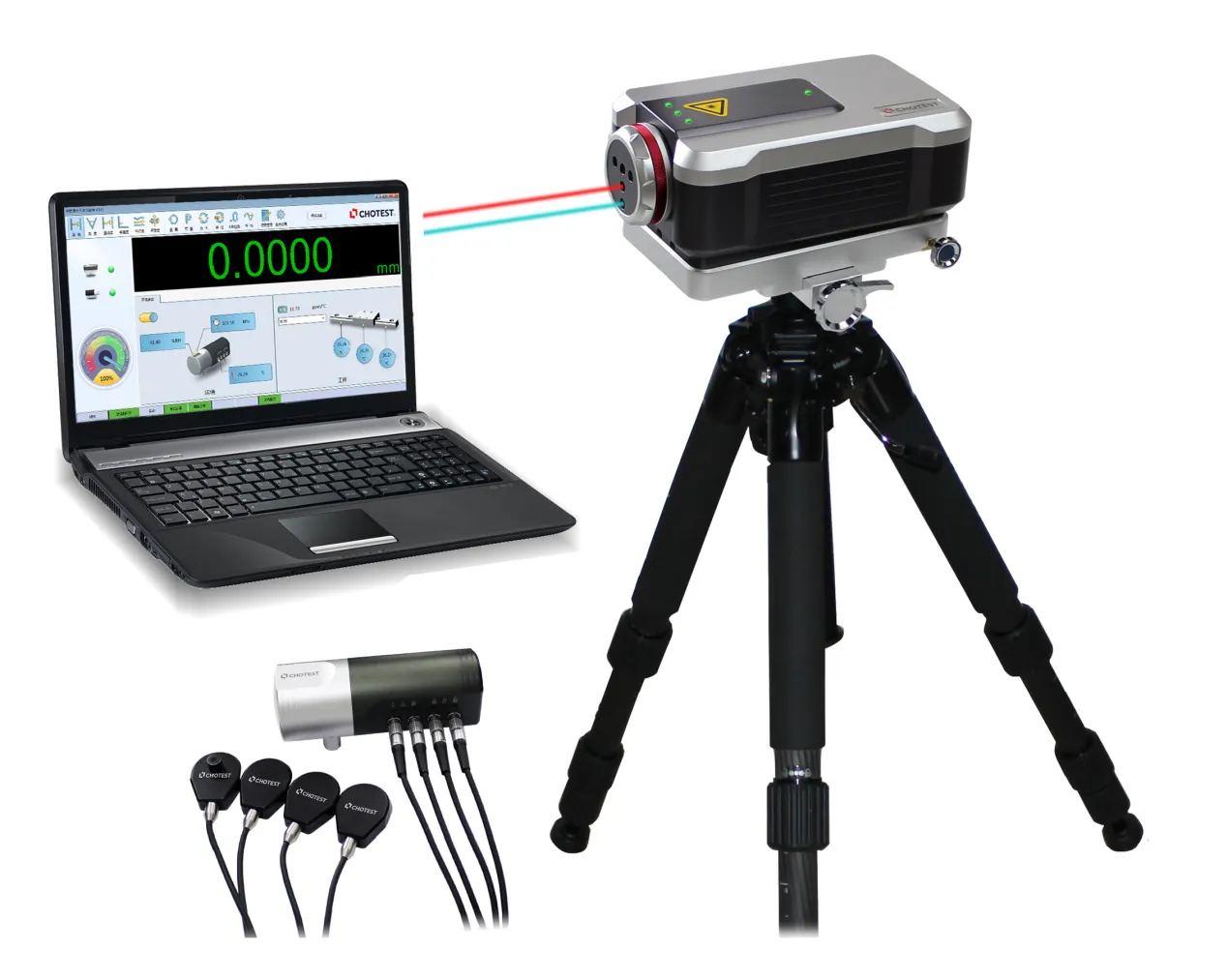
Parallel light emitted by the collimator measures linearity and positioning accuracy indirectly by capturing mirror angle variation. Ideal for long-distance accuracy testing of large machines, it evaluates guideway linearity impact on positioning performance, applicable to worktable movement inspection of gantry milling machines.
6.Electronic Level Meter Measurement
The level meter is placed on worktables or moving parts to detect horizontal deviation at different positions and analyze positioning accuracy. It quickly measures inclination and flatness errors, playing a vital role in machine installation, commissioning and precision maintenance for horizontal machining centers.
7.Autocollimator Measurement
Parallel light reflects back to the instrument, and angular deviation is calculated from reflected light offset to evaluate angular and positioning precision. With outstanding measuring accuracy, it is adopted for angular positioning inspection of high-precision boring machines and rotary worktable accuracy testing.


Comments
Post a Comment